Knitting or Crochet: What are the differences?
Not sure whether to start crocheting or knitting? Find your answer here! Whether you're a beginner or already have some experience, I'll help you understand the main differences these two techniques, along with their advantages and disadvantages. Discover which fiber art best suits your desires and future projects!
The Fundamental Differences Between Knitting and Crochet
The Equipment Used
When you start knitting or crocheting, the first major difference lies in the materials used. For knitting, you need two knitting needles. These needles can be straight or circular, and they come in various sizes, lengths, and materials such as wood, metal, or plastic. Knitting needles are designed to support a row of active stitches, which can make knitting more complex in terms of stitch management.
Unlike crocheting, where you only need one tool: a hook. Crochet hooks have a hook-shaped end used to pull the yarn and form stitches. Hooks also come in different sizes and materials, and some can be long with a cable for... the Tunisian crochet, a technique that allows several active stitches to be maintained, similar to knitting.
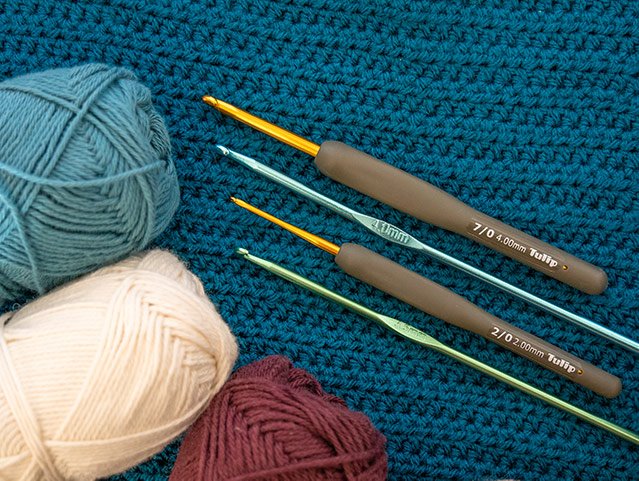
Examples of different types of hooks

Example of a knitting needle
Basic Techniques and Points Used
The basic techniques of knitting and crochet also differ. In knitting, you mainly use two stitches: the knit stitch and the purl stitch. These stitches can be combined in various ways to create a variety of patterns and textures. Knitting is done by working rows of stitches, and each row is held on the needles until it is finished.
Crocheting, on the other hand, involves working one stitch at a time. You form each stitch individually, which may seem simpler at first because you don't have to manage a whole row of active stitches. However, crochet stitches can be more complex and varied, with techniques like the chain stitch and single crochet, as well as the half double crochet, double crochet, and treble crochet. Crochet stitches can be used to create raised patterns, robust textures, and even three-dimensional shapes like amigurumi (small plush toys). Crochet is also ideal for summer projects such as lightweight tops and decorative accessories.
The Advantages and Disadvantages of Crochet
Advantages of Crochet
1. Initial ease of learning
Crochet is often considered easier for beginners to learn. With only one active stitch to manage at a time, there's less risk of accidentally dropping stitches, which can be a frustrating problem for those new to knitting. Furthermore, the repetitive and simple nature of basic stitches like the chain stitch and single crochet makes crochet more accessible for those just starting out.
2. Speed of execution
Crocheting generally allows you to complete projects faster than knitting. Because crochet stitches are often larger and more spaced out, they cover more surface area with each stitch. This means crochet projects progress more quickly, which is ideal if you want to see results fast.
3. Versatility of shapes and textures
Crochet is particularly effective for creating three-dimensional shapes and varied textures. This makes it perfect for projects like amigurumi, baskets, and home decor. The ability to easily add volume and work in the round gives crochet an advantage for these types of creations.
4. Ease of error correction
Correcting mistakes is generally easier in crochet. If you make a mistake, you often just need to pull the yarn to undo the stitches up to the point where you want to correct it. Since there's only one active stitch, you can easily start again without the risk of dropping other stitches.

Gingerbread Reindeer pattern available at Yarn & Crochet
Disadvantages of the Hook
1. Wire consumption
One of the main drawbacks of crochet is that it generally uses more yarn than knitting. Crochet stitches are bulkier and denser, requiring more material to cover the same area. This can increase the cost of projects, especially large ones like blankets.
2. Fabric rendering
Crocheted fabric is often stiffer and less stretchy than knitted fabric. This can limit the use of crochet for certain types of garments, especially those requiring a fluid and delicate drape, such as lightweight sweaters or shawls. Crocheted garments tend to be more structured and less fitted.
3. Pattern complexity for beginners
While basic stitches are easy to learn, some advanced crochet stitches and techniques can be more difficult to master. Complex patterns, especially those involving frequent color changes or highly detailed textures, can be intimidating for beginners.
4. Difficulty managing wire tension
In both crochet and knitting, achieving even tension can be challenging, especially for beginners. Stitches can easily become too loose or too tight, affecting the final look and size of the project. Regular practice is essential for mastering tension and producing consistent work.
The Advantages and Disadvantages of Knitting
Advantages of Knitting
1. Variety of textures and patterns
Knitting offers a wide variety of textures and patterns. With just two basic stitches, the knit and purl stitches, it's possible to create a multitude of designs by playing with their combinations. Techniques such as cables, Fair Isle patterns, and lace stitches add even more diversity and complexity to projects.
2. Drape and elasticity
Knitted fabric is often softer and more stretchy than crocheted fabric. This quality makes it ideal for fitted and comfortable garments like sweaters, socks, and hats. The natural drape of knit fabric allows for the creation of pieces that better conform to the body's shape and are more comfortable to wear.
3. Saving thread
Knitting generally uses less yarn than crochet to cover the same area. This can make knitting projects more economical, especially when using high-quality or expensive yarns. This material saving is a significant advantage for large projects such as blankets or bulky garments.
4. Seamless Projects
Thanks to circular needles and circular knitting techniques, it's possible to create seamless projects. This method is particularly popular for clothing, as it allows you to create garments in one piece, without having to assemble separate pieces, resulting in a cleaner, more professional finish.

Example of a texture achievable using Knitting
Disadvantages of Knitting
1. More complex learning for beginners
Knitting can be more difficult for beginners to learn. Managing multiple stitches on the needles can be confusing and frustrating, especially when stitches slip off. The coordination needed to maintain even tension and manipulate two needles simultaneously requires more practice.
2. Error Correction
Correcting mistakes in knitting is often more complicated than in crochet. When a mistake is made, it can be difficult to unravel the stitches up to the point of the error without losing stitches or destabilizing the fabric structure. Repairing mistakes often requires additional skills and a good deal of patience.
3. Execution time
Knitting can be slower than crocheting, especially for beginners. Knitting stitches are generally smaller and tighter, meaning it takes longer to cover the same area as crocheting. For urgent projects or those seeking quick results, this slower pace can be a disadvantage.
4. Uniform tension that is difficult to control
Achieving even tension in both knitting and crochet can be difficult, especially for beginners. Uneven tension can affect the appearance and final size of the project, and correcting tension problems once they've occurred can be challenging. Consistent practice and experience are necessary to master tension and produce consistent work.
Knitting and Crochet: Similarities and Complementarity
Knitting and crochet, while distinct in their execution and tools, share many similarities that make them complementary. These two wool-working techniques offer a wealth of creative possibilities, and many wool enthusiasts choose to master both to take advantage of each craft's unique strengths. Here's an overview of their commonalities and how they can complement each other.
Similarities Between Knitting and Crochet
1. Use of Wool and threads
Both techniques use yarns made of wool, cotton, or other materials to create a variety of fabrics and objects. Whether you knit or crochet, you'll have access to a wide range of yarns in terms of textures, colors, and thicknesses, allowing you to create diverse and varied projects.
2. Shared Skills and Techniques
To succeed in either field, good hand-eye coordination, attention to detail, and an understanding of color and design are essential. The ability to plan and visualize a project from start to finish is crucial, as is patience to complete what are sometimes lengthy and complex creations.
3. Health Benefits
Both activities are known for their beneficial effects on mental and physical health. They are relaxing, reduce stress, improve concentration and coordination, and offer great personal satisfaction when you complete a project.
The Complementarity of Knitting and Crochet
1. Variety of Projects
Some projects are better suited to one technique or the other, but mastering both allows you to expand your range of projects. For example, you could knit a sweater for its smooth, stretchy texture, then add crocheted borders or embellishments for a unique detail. Combination projects, such as sweaters with crochet motifs or blankets with knitted and crocheted sections, take advantage of the best of both worlds.
2. Learning and Adaptation
Starting with one technique can make learning the other easier. If you begin with crochet, you'll develop fine motor skills that will be useful when you learn to knit, and vice versa. Furthermore, some knitting techniques, such as the provisional cast-on, utilize basic crochet skills, demonstrating once again how these two crafts can complement each other.
Ultimately, knitting and crocheting are not rival activities, but rather complementary skills that enrich the creative experience with wool. By mastering both, you'll increase your flexibility and ability to complete a wider range of projects, while benefiting from the unique advantages each technique offers. Whether you prefer the smooth, stretchy textures of knitting or the structural possibilities of crochet, or choose to combine the two, you'll find in these crafts an inexhaustible source of creativity and enjoyment.
Discover our other articles on crochet:
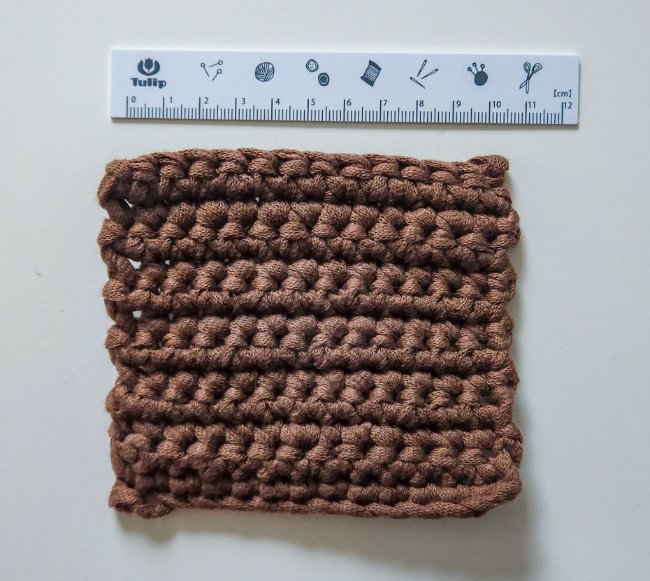
Crochet Gauge: Why and How to Make Them?
Crochet swatches, often overlooked, are essential for the success of your creations. Learn how to make them easily and adjust your tension for perfect results.
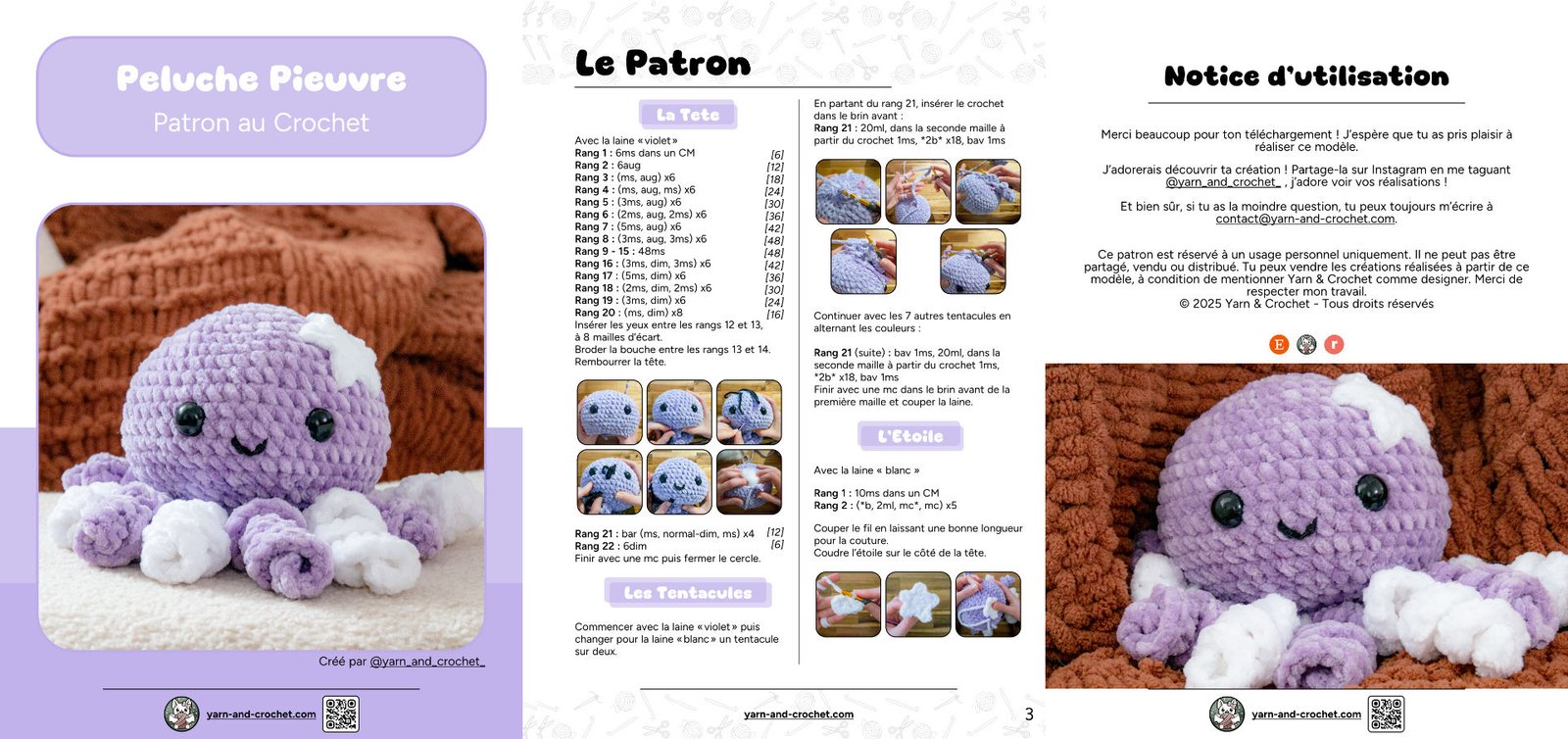
How to Read a Crochet Pattern: A Beginner's Guide
Getting started with crochet involves knowing how to read a pattern. Discover how to easily decode abbreviations, choose your materials, and follow the detailed steps of an illustrated pattern.
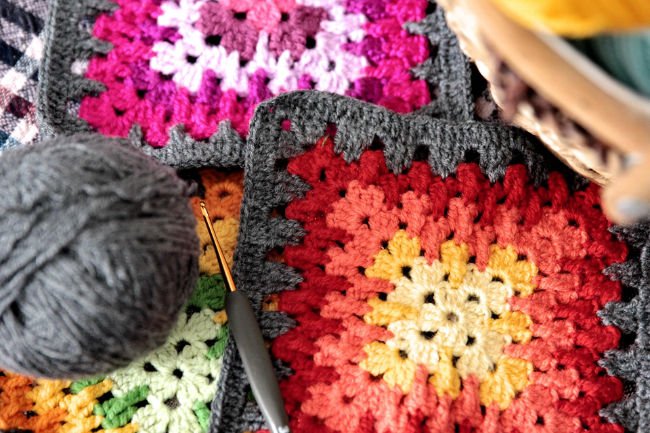
Crochet Granny Squares: The Beginner's Guide
Learn how to crochet granny squares easily: origins, magic circle tutorial, diagram reading and lots of creative project ideas.