Choose your yarn carefully for your crochet project
Choosing the right yarn is crucial for the success of your crochet project. The right selection can transform a simple pattern into an exceptional piece, However, a poor choice of yarn can affect the final result. Here's how to choose the ideal yarn for your crochet projects based on the type of project, the influence of the yarn on texture and finish, and practical tips for testing and selecting the perfect yarn.
Choose the thread according to the type of project
Clothes
When you crochet clothes, comfort and durability are paramount. Yarns like wool or fiber blends offer warmth, elasticity and softness are often preferred. For summer clothing, cotton or bamboo are ideal because of their lightness and breathability. Also consider ease of care: acrylic yarns are often easier to wash and care for than natural fibers, which can be an advantage for frequently worn garments.

Accessories
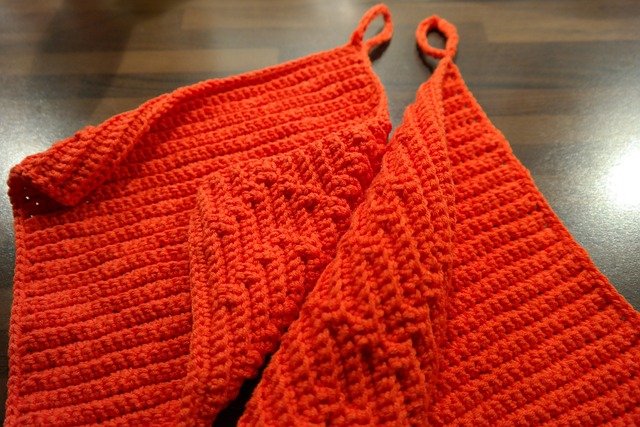
For accessories such as scarves, hats or gloves, The texture and appearance of the yarn play a key role. Yarns with interesting textures, such as wool and silk blends or patterned yarns, can add a unique visual effect to your creations. Choose a yarn that matches the desired effect, whether it's softness for a comfortable hat or sheen for an elegant scarf.
Decorations
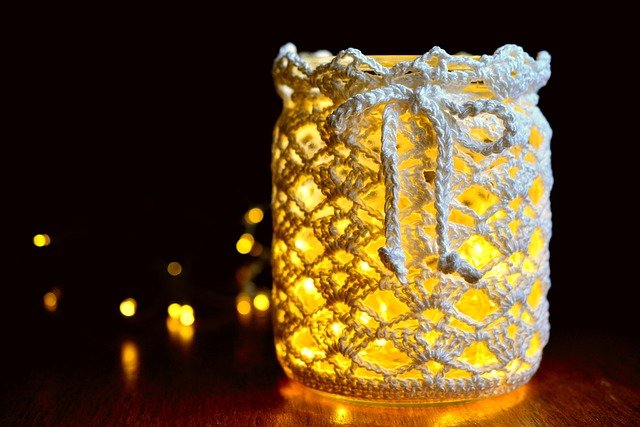
Decorative projects, such as cushions or blankets, often benefit from using thinner yarns. robust and durable. Fiber blends or acrylic yarns are well-suited for these types of projects due to their strength and ease of care. For decorative or textured effects, patterned yarns or color blends can create an attractive visual result.
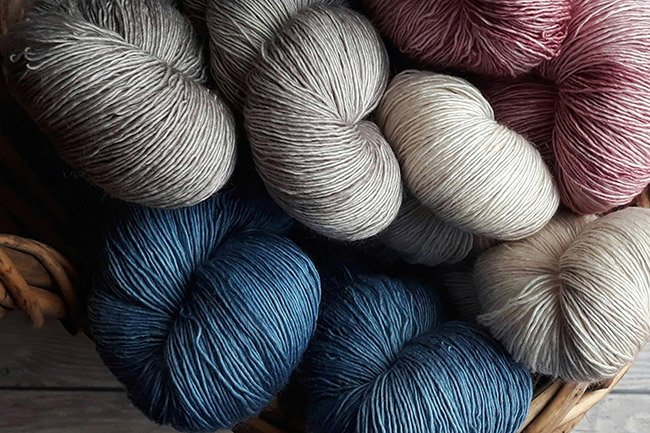
Each type of yarn has a unique influence on the texture and finish of your project. Wool yarns, for example, offer a texture warm and a slightly fluffy, This can add dimension and softness to your work. The cotton, meanwhile, provides a finishing touch. smoother and more structured, which is perfect for projects requiring a precise shape.
Acrylic yarns are often used for their uniform texture and their ability to retain their shape, although they may be less breathable. Fiber blends, on the other hand, can offer a combination of textures and effects, allowing for the creation of projects with unique properties. It is essential to understand how each type of yarn reacts to crochet and how it will affect the final result of your project.
Tips for testing and choosing the ideal yarn
Crochet Samples
Before starting a project, make a sample with the yarn you plan to use. This will allow you to test the texture, tension and appearance of the yarn. Make sure the thread behaves as expected and is suitable for the project in question.
Read the Tags
Always check the yarn label for information on composition, recommended tension, and washing instructions. These details will help you. to choose a suitable thread to your specific needs and to properly maintain your project once it is completed.
Testing Softness and Flexibility
Handle the yarn to assess its softness and flexibility. Check if the yarn feels pleasant to the touch and bends easily, which can influence the comfort of your project and its ease of use.
Consider the Interview
Consider how often the project will be washed and used. Choose a yarn that it withstands washing and regular use well, especially for clothing or accessories that are frequently in contact with the skin.
By following these tips, you can choose the perfect yarn for every crochet project, ensuring the success of your creations and your long-term satisfaction. Whether you choose a soft yarn for garments, a sturdy yarn for accessories, or a creative blend for decorations, the right choice will allow you to achieve beautiful and lasting results.
Tips for Working with Different Types of Thread
Working with different types of yarn can present some challenges specific challenges. Knowing the best practices for each type of yarn will not only help you avoid common mistakes, but also extend the life of your creations and ensure their proper care. Here are some tips to optimize your crochet experience with various yarns.
Avoid common mistakes
• Inappropriate choice of yarn for the project
One of the most common mistakes is choosing a yarn that isn't suitable for the project. Make sure you fully understand the properties of the yarn you choose and how they will affect your project. For example, using cotton for a winter sweater might not provide the necessary warmth, while choosing wool for summer items might be too heavy.
• Neglecting samples
Skipping the swatch step can lead to unexpected results. Always crocheting a swatch to check the tension and texture of the yarn allows you to make adjustments before starting your main project. This avoids disappointment and major changes along the way.
• Poorly matched yarn mix
When using yarn blends, make sure you understand the characteristics of each fiber. Sometimes, blends can behave unpredictably if the fiber proportions aren't balanced. Testing the yarn before you begin can help you avoid these problems.
Optimize the lifespan of your creations
• Choosing the right threads
Choose quality yarns that are suitable for the intended use. High-quality yarns are generally stronger and retain their shape better after several washes. For projects that will be subject to frequent wear and tear, such as children's clothing, opt for durable and resistant yarns.
• Use of appropriate crochet techniques
Adapt your crochet techniques to the type of yarn. For example, some yarns may require a larger hook to prevent pulling, while others, being more slippery, may require extra care to maintain tension. Using the right techniques preserves the integrity of the yarn and improves the durability of your project.
• Proper storage of creations
Store your creations in a clean, dry place away from direct sunlight to prevent fading and premature wear. For wool or cotton clothing and accessories, proper storage can prevent damage from moths or moisture.
Maintenance and care of different types of thread
Wool
Wool requires special care. It is recommended to hand wash woolen items with a mild detergent specifically designed for natural fibers. Avoid twisting or wringing them; it is best to dry them flat to maintain their shape. Felting can be prevented by using cold water and avoiding frequent washing.
Cotton
Cotton items can usually be machine washed, but it's best to follow the specific yarn instructions. Cotton may shrink slightly after the first wash, so account for this in your swatch. It's also helpful to use a gentle cycle and air dry the garments to prevent unwanted creases.
Acrylic
Acrylic yarns are quite easy to care for. They can be machine washed at a moderate temperature. However, avoid excessively high temperatures when drying, as acrylic can melt slightly or lose its shape. Air drying is generally recommended to maintain the original texture.
Bamboo
Bamboo yarn is delicate and should be washed by hand or machine in cold water on a gentle cycle. It is also best to dry it flat to preserve its softness and prevent deformation. Avoiding prolonged exposure to sunlight and high temperatures will help maintain the yarn's quality.
Yarn mixtures
Yarn blends can have varying care requirements depending on the fibers combined. Follow the specific washing instructions for each type of fiber in the blend. In general, it's best to hand or machine wash blends at a gentle temperature and dry them flat to preserve the integrity of the fibers.
By applying these tips, you can get the most out of every type of yarn and ensure your creations remain beautiful and functional for a long time. Whether you're working with wool, cotton, acrylic, bamboo, or yarn blends, these tips will help you maintain the quality and longevity of your crochet projects.
Discover our other articles on crochet:
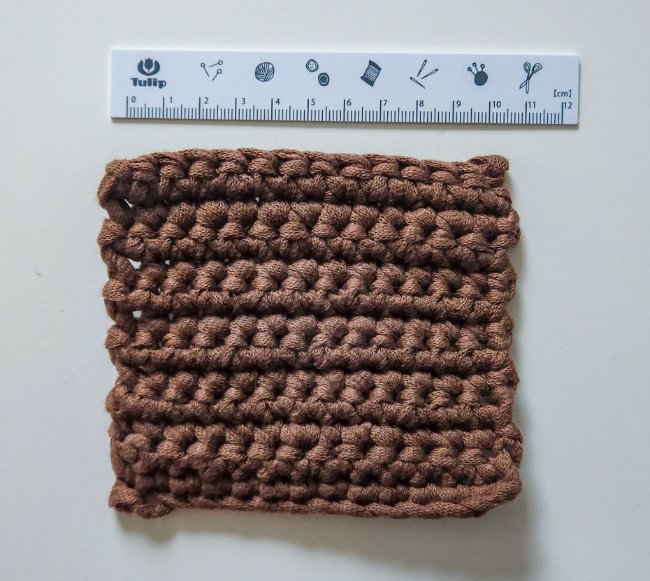
Crochet Gauge: Why and How to Make Them?
Crochet swatches, often overlooked, are essential for the success of your creations. Learn how to make them easily and adjust your tension for perfect results.
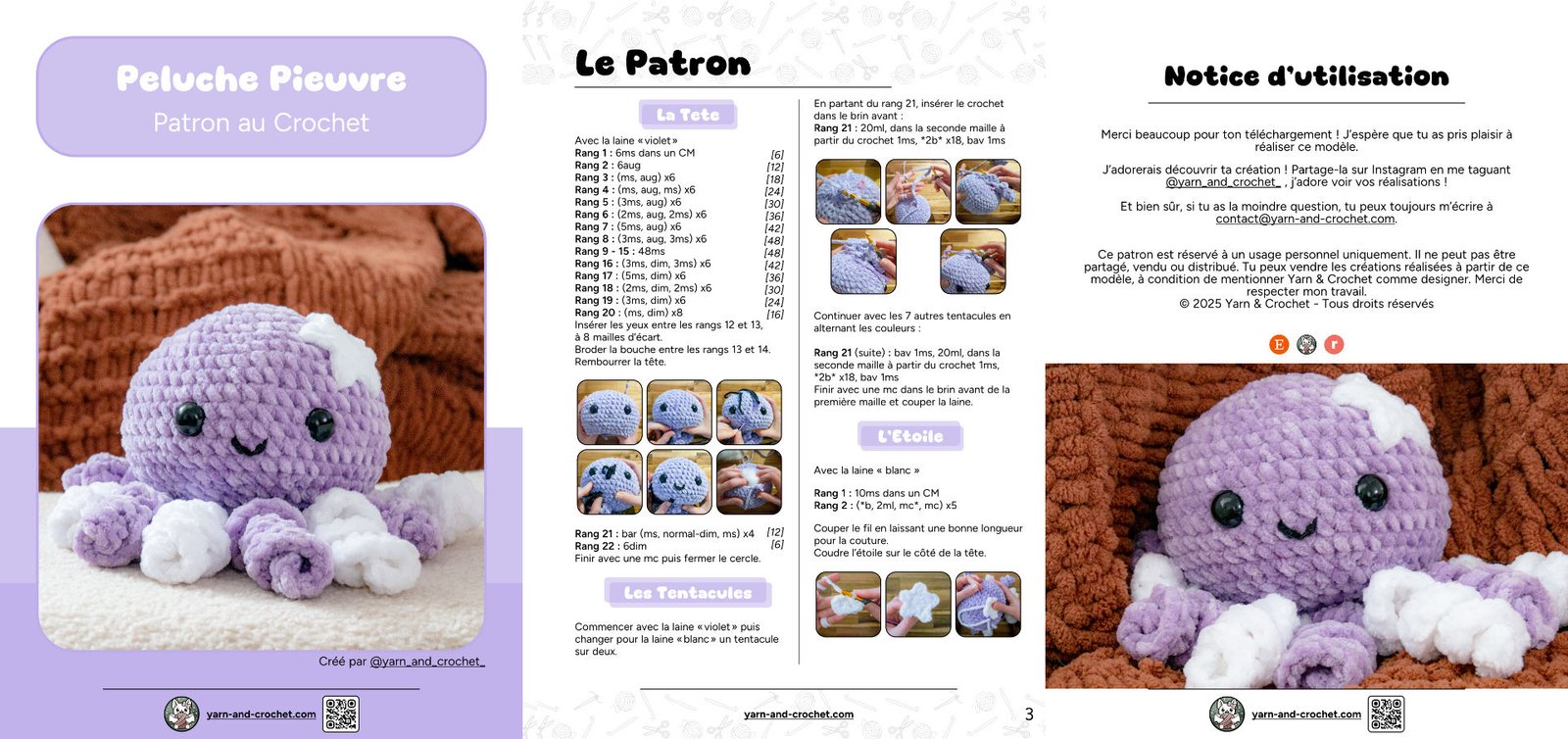
How to Read a Crochet Pattern: A Beginner's Guide
Getting started with crochet involves knowing how to read a pattern. Discover how to easily decode abbreviations, choose your materials, and follow the detailed steps of an illustrated pattern.
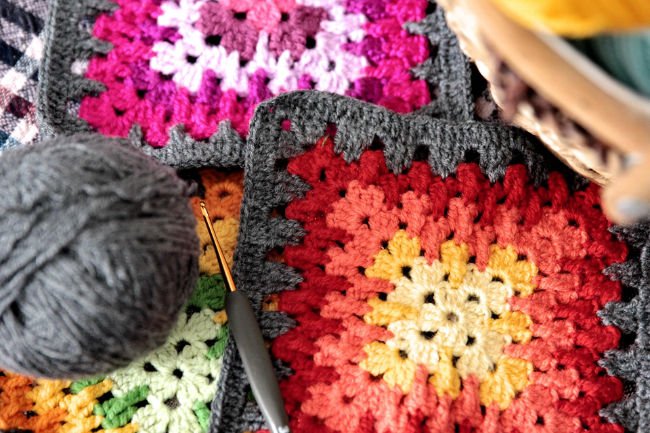
Crochet Granny Squares: The Beginner's Guide
Learn how to crochet granny squares easily: origins, magic circle tutorial, diagram reading and lots of creative project ideas.