
Crochet Amigurumi: A Complete Guide for Beginners
What is an amigurumi?
Amigurumi, those adorable little creations made of crochet or knitting, are captivating more and more craft enthusiasts worldwide. Whether you're a beginner or an expert crocheter, amigurumi offer a unique opportunity to create cute and personalized items. But what exactly is an amigurumi, and why are they so popular?
Origin and meaning of the word "amigurumi"«
The word amigurumi comes from Japanese and is composed of two terms:
• « Friend » (編み), which means to knit or crochet.
• « Nuigurumi » (ぬいぐるみ), which refers to a plush toy or stuffed toy.
By combining these two words, amigurumi literally translates to crocheted stuffed toy or knitted.
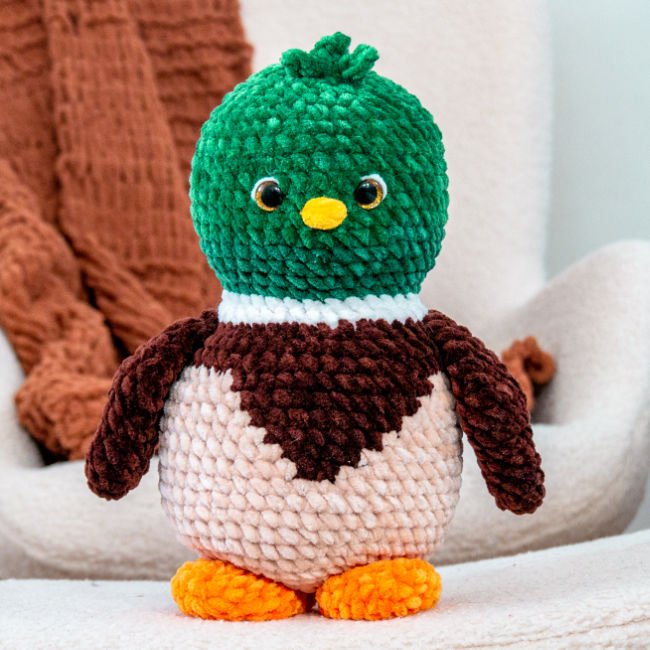
Amigurumi mallard duck
The art of amigurumi is deeply rooted in Japanese culture, where it is appreciated for its aesthetic appeal. kawaii (cute). These small figures, often animals, dolls, or fantasy characters, embody gentleness and emotion, making them much more than simple decorative objects. This field has grown considerably in recent years, and it's not difficult to find today, in addition to cute animals, tutorials to create characters for TV series or manga.
Why are amigurumi so popular?
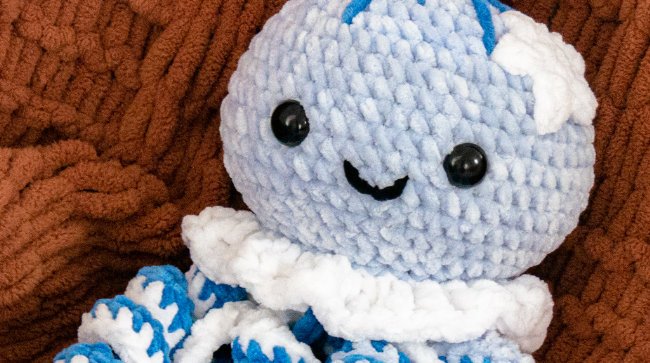
Their ease of learning for beginners
Contrary to what one might think, amigurumi do not require years of crochet experience. With just some basic points (as the single crochet stitch , the magic circle (and the increases), you can create your first designs. Amigurumi are even ideal for beginners in crochet thanks to the detailed patterns that can now be found almost everywhere.
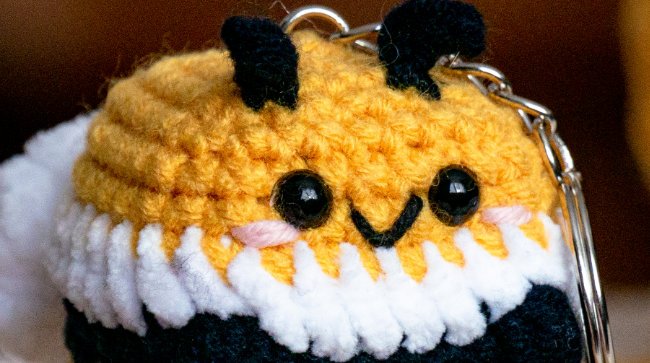
Limitless creativity
Amigurumi allow you to express your imagination. You can create animals, characters or objects. Their customization, whether through colors, textures, details or expressions, is endless.
At first, it's recommended to follow tutorials to successfully make your first plushies. But with time and experience, you'll be able to create your own designs from scratch, following only your inspiration to bring cute amigurumi to life.
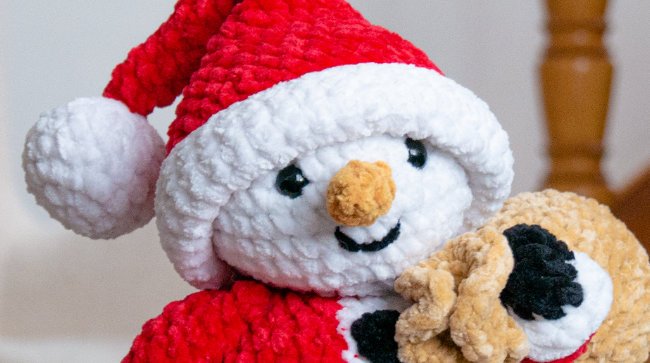
A perfect and timeless gift
What could be better than a handmade gift for a loved one? Amigurumi are often used as personalized gifts for birthdays, births or celebrations. They combine sweetness and symbolism, which makes them particularly appreciated.
The possibilities for personalization are endless. If your niece loves the color orange, for example, you can make her favorite animal in those shades. You can be sure she'll cherish this gift for a long time!
In summary, amigurumi are not just creations made of yarn and crochet: they are small works of art that embody the love of handmade and the search for cuteness.
Whether you're looking to start a new hobby or hone your crochet skills, amigurumi is a great place to begin. With the right patterns, you can easily bring adorable and unique characters to life. Explore our selection of designs and find inspiration for your next project!
-
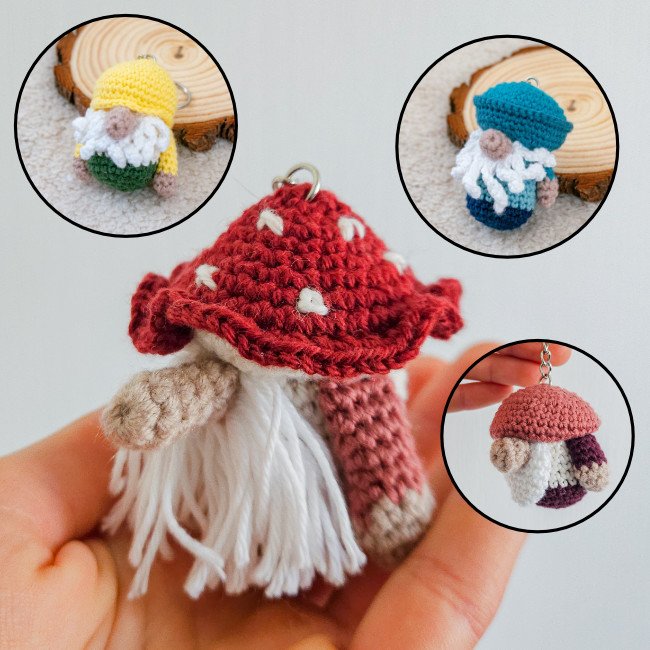
Pattern « Pick & Stitch » Gnome Champignon au Crochet - PDF Tutorial (English/French)
7,90 € -
Sale!
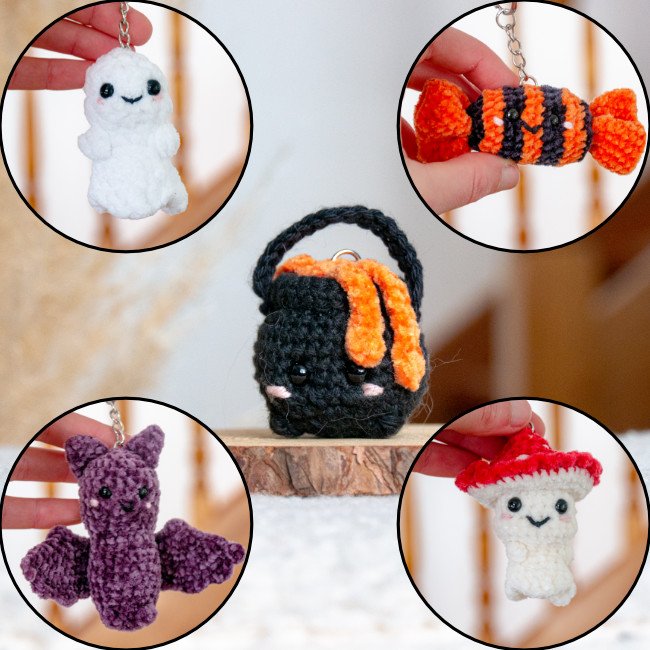
5 Crochet Halloween Keyring Patterns - PDF Tutorial (English/French)
Original price was: 15,60 €.9,36 €Current price is: 9,36 €. -
Sale!
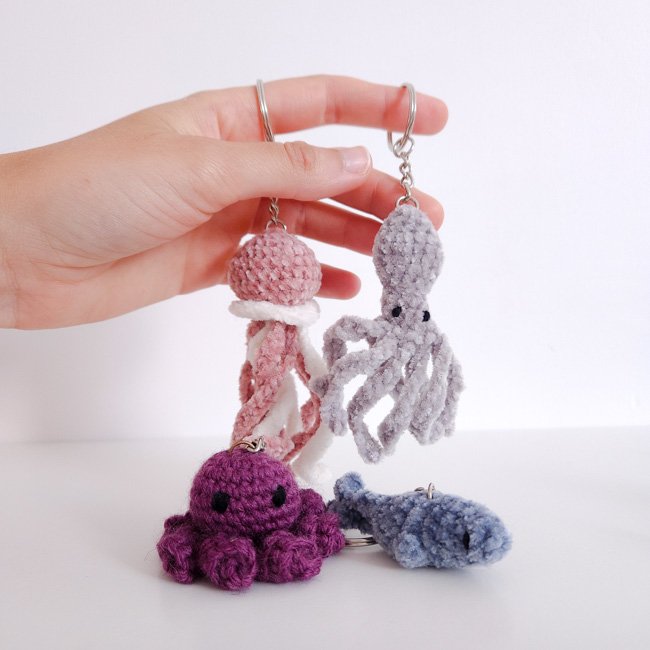
4 Patterns Sea Creature Key Chain - PDF Tutorial (English/French)
Original price was: 9,90 €.5,94 €Current price is: 5,94 €. -
Sale!
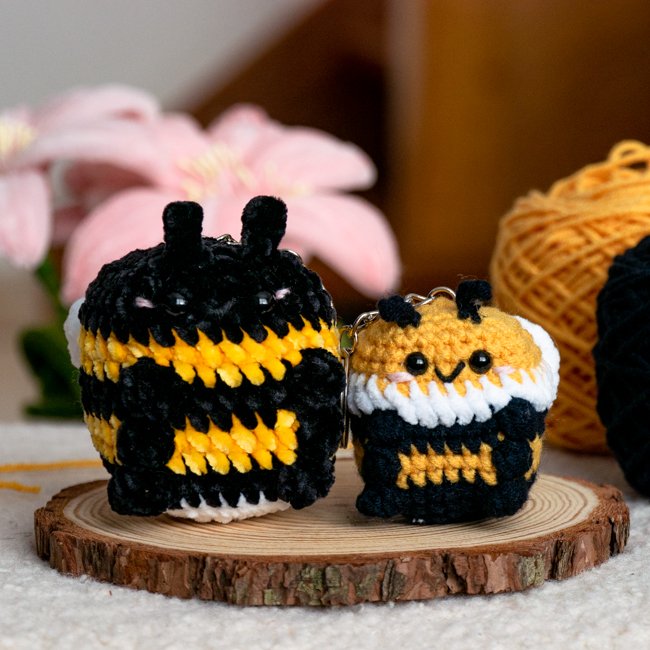
2 Bee and Bumblebee Key Chain Patterns - PDF Tutorial (English/French)
Original price was: 7,80 €.4,68 €Current price is: 4,68 €.
The essentials for starting out with crocheted amigurumi
Before you start creating your first amigurumi, it's essential to equip yourself with the right material, This section will guide you step by step to get started in the best possible conditions, mastering some basic techniques and choosing a project suited to your level.
The hooks
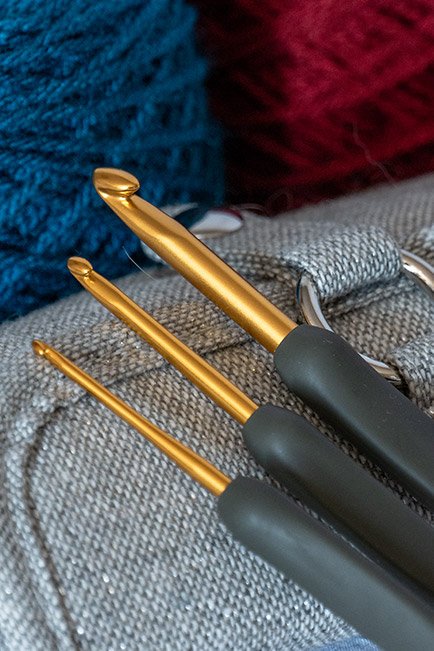
• Recommended sizes: Amigurumi are usually made with a small crochet hook, between 2 mm and 4 mm, to obtain tight stitches and prevent the stuffing from coming out.
• Which hook should I choose? If you're a beginner, opt for an ergonomic crochet hook to avoid hand pain after long sessions.
Wool
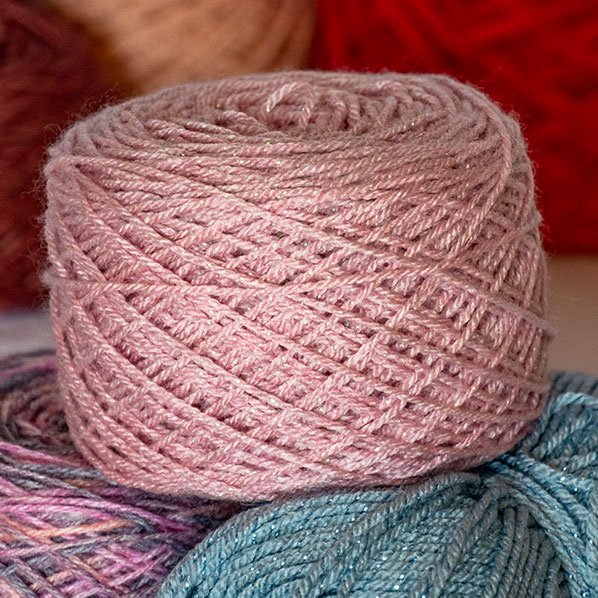
• Types of wool: Cotton yarn is often preferred for amigurumi because of its smooth texture and ability to define stitches well. You can also use acrylic or blended yarn.
• For super soft plush toys:
– The Chenille Thread is ideal thanks to its soft texture, although a little more complicated to crochet.
– The fur threads They are perfect for a teddy bear effect, but they make the stitches almost invisible.
Trick : lightly dampen the yarn to flatten the fibers and make the stitches more visible.
The padding
• Common materials: Polyester fiberfill (stuffing) is the most commonly used material for shaping amigurumi. It is lightweight, malleable, and readily available.
• Eco-friendly alternatives: For a more eco-friendly approach, you can use scraps of fabric or thread.
Other essential tools
• Stitch markers: to know where you are in your ranking and not lose your last loop if you take a break.
• Yarn needle to assemble the different parts of your amigurumi.
• Safety eyes: perfect for bringing your creations to life, especially if you make animals or dolls.
The basics of crochet: essential stitches and techniques
Mastering a few points and techniques is enough to get started with amigurumi:
Key points
• Magic circle (MC): This method is the basis for starting a project. It consists of forming a circle with the yarn, crocheting into it, then pulling on the yarn to close the hole.
• Single crochet (sc): This is the main stitch for amigurumi, ideal for compact stitches.
• Increases : They add stitches in a row to widen a shape.
• Decreases : They reduce the number of stitches to tighten a shape.
Trick : learn how to make invisible decreases by crocheting only in the back loop of the stitches to be decreased, for a cleaner result.
The assembly
For complex plush toys, each part is often crocheted separately (head, body, arms, legs, ears, etc.) before being assembled.
This delicate but essential step reveals the full charm of your creation. Take the time to carefully position the different parts before sewing them together.
Tension management
Maintaining consistent tension is crucial for a uniform result. If your stitches are too loose, the stuffing may bulge out. If they are too tight, the crochet hook will be difficult to handle.
Trick : If several similar parts (such as arms or ears) need to be made, crochet them during the same session. This ensures consistent tension for a balanced result.
The spiral technique
Amigurumi are generally worked in the round, without closing the rows with a slip stitch.
This method avoids visible demarcations and guarantees a uniform finish.
Tips for choosing your first project
To avoid frustration and discouragement, choose a project that matches your skill level:
Choose a simple model.
Basic animals (like a bear or a rabbit) or geometric shapes are ideal for beginners. These projects require few pieces to assemble, which simplifies the process. In fact, some no-sew projects, called "No Sew" , are perfect for beginners: they are quicker to make and avoid the tricky step of assembly.
Opt for thick yarns and a medium-sized crochet hook.
A slightly thick yarn (like category 4 cotton) and a 4 mm crochet hook make the stitches more visible, making it easier for you to get started.
Find a clear and well-explained pattern.
Look for patterns specifically designed for beginners. Many designers offer diagrams, video tutorials, or detailed instructions to guide you step by step.
Test with an amigurumi kit.
For a stress-free start, try an amigurumi kit. Everything is included:
• The right thread.
• A hook.
• The padding.
• Accessories (safety eyes, needle, etc.).
• A detailed pattern, often accompanied by explanatory videos.
These kits allow you to focus on learning without having to search for materials individually.
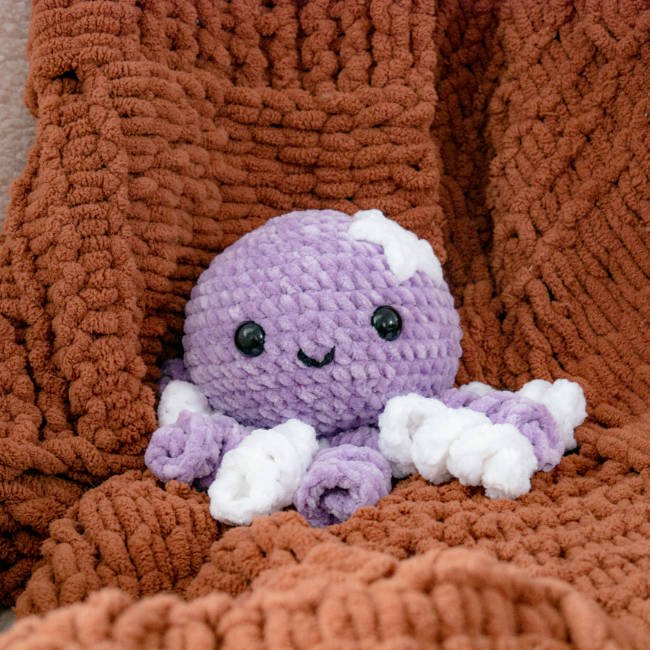
Example of a simple model to make: the octopus
FAQ: Answers to frequently asked questions about amigurumi
Do you still have some questions before getting started? Here are answers to the most common questions to help you succeed with your creations.
How to avoid common mistakes?
• Maintain a regular blood pressure
Uneven tension can give your amigurumi a lumpy look. Keep your hand relaxed and apply consistent pressure to the yarn. If your stitches are too loose or tight, adjust your crochet hook size.
• Use a mesh marker
When working in a spiral, it can be difficult to keep track of the rows. Place a marker on the first stitch of each row to help you stay on track.
• Padding properly
Insufficient stuffing will make your amigurumi limp, while too much may cause it to lose its shape. Fill it gradually and adjust by hand for a harmonious result.
• Read the pattern carefully
Take the time to fully understand each step before you begin. If you are unsure about a term or technique, look for explanatory videos.
• Take your time
Accuracy is key. If you feel tired or impatient, take a break and resume when you are more focused.
What are the best yarns for amigurumi?
The choice of yarn is crucial for an aesthetically pleasing and long-lasting result:
• Cotton thread
Why? Its smooth texture and resistance allow for well-defined meshes.
Examples: DMC Natura Just Cotton, Ricorumi, Drops Muskat.
• Acrylic yarns
Why? They are less expensive and lighter, perfect for starting out or for large projects.
Examples: Red Heart Super Saver, Stylecraft Special DK.
• Cotton-acrylic blends
Why? They combine softness, lightness and flexibility.
Examples: Scheepjes Softfun, Katia Cotton-Merino.
• Threads to avoid
Avoid fuzzy or textured yarns (like mohair or fluffy yarns) as a beginner, as they make the stitches difficult to distinguish.
Can amigurumi be knitted?
Yes, it's entirely possible, although the majority of the patterns are designed for crochet.
Differences between crochet and knitting for amigurumi
• Tight knit vs. jersey: Crochet produces tighter stitches, perfect for containing stuffing. In knitting, the stockinette stitch sometimes requires a lining to prevent stuffing from escaping.
• Forms and techniques: Rounded shapes are more complex in knitting, but achievable with well-controlled increases and decreases.
Tips for successfully knitting amigurumi
• Use thin needles for tight stitches.
• Favor yarns that do not deform, such as cotton.
Start with small projects to familiarize yourself with the technique.
Embarking on your amigurumi journey is an exciting and creative adventure. With some basic crochet skills, a little practice, and plenty of patience, you'll be able to bring unique and adorable creations to life. Remember to start with simple patterns, use the right tools, and take the time to learn the essential techniques. Each project you complete will be a new step in your learning, allowing you to improve your skills and explore increasingly complex designs.
So, grab your crochet hook, choose your yarn, and let your imagination run wild. The possibilities are endless, and each amigurumi you create will reflect your creativity and talent. Ready to dive into this magical world? It's your turn!
Discover our other articles on crochet:
Selling your crocheted plush toys: everything you need to know about the CE standards to comply with
Want to sell your crocheted plushies, but the terms "CE marking" and "toy directive" make you want to close the tab? I'll explain everything you really need to know: what CE marking actually means, how to tell if your creations are affected, and more…
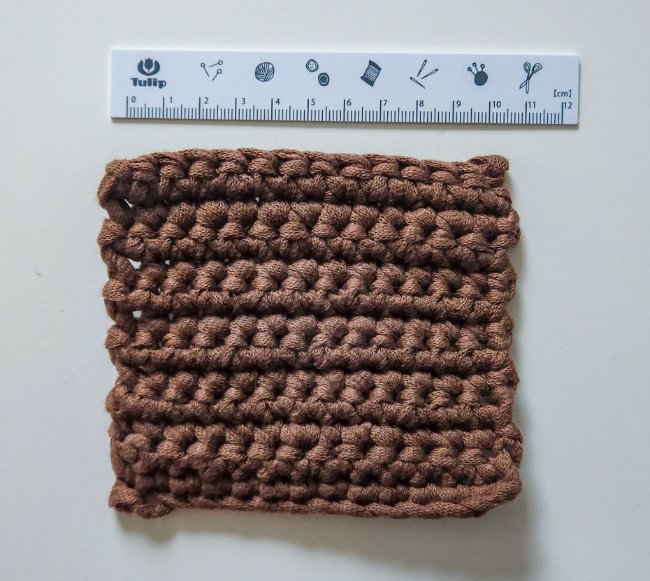
Crochet Gauge: Why and How to Make Them?
Crochet swatches, often overlooked, are essential for the success of your creations. Learn how to make them easily and adjust your tension for perfect results.
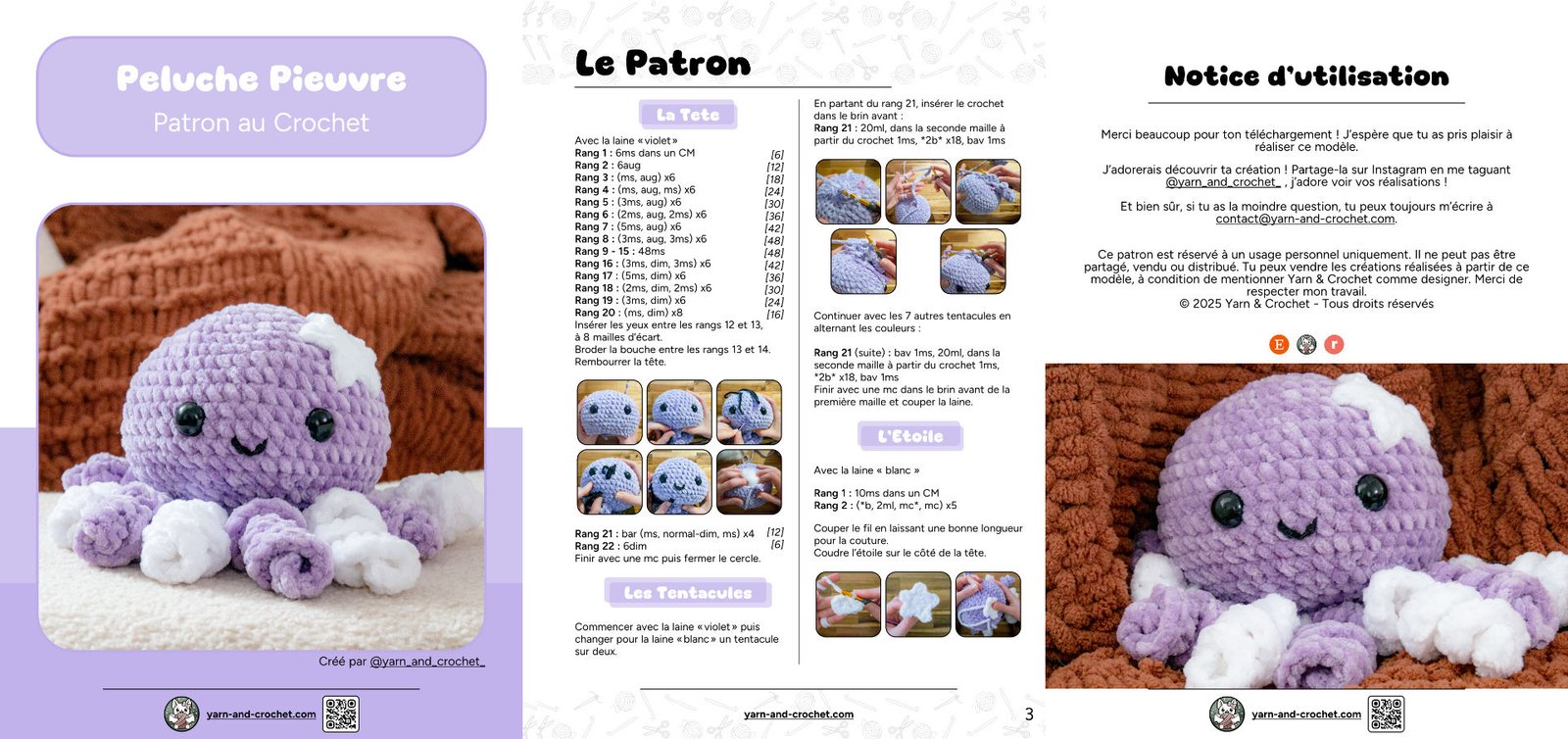
How to Read a Crochet Pattern: A Beginner's Guide
Getting started with crochet involves knowing how to read a pattern. Discover how to easily decode abbreviations, choose your materials, and follow the detailed steps of an illustrated pattern.