The Different Types of Yarn to Use in Crochet
When you embark on the art of crochet, your choice of yarn can significantly impact the quality and appearance of your creations. The right yarn can transform an ordinary project into an exceptional piece, while a poor choice can make even the most elaborate design less appealing. Understanding the characteristics of different types of wire is therefore essential to succeed in your projects and to make the most of your creative talent.
The Main Types of Yarn for Crochet
Wool
Wool is one of the most popular and versatile materials for crochet. It is obtained primarily from sheep, however, can also come from other animals such as goats (cashmere, mohair) or rabbits (angora). Wool is renowned for its unique properties, making it an excellent choice for a variety of crochet projects.

Advantages of Wool
• Heat and insulation
Wool is a natural insulator, making it an excellent choice for winter clothing and accessories. It retains heat well while allowing the skin to breathe, ensuring you stay warm without overheating. This insulating property is especially useful for creating items designed to be worn in cold weather.
• Elasticity and flexibility
Wool is known for its natural elasticity, meaning it can stretch and return to its original shape without losing its form. This characteristic is especially useful for clothing, as it allows for a comfortable fit and greater freedom of movement. Wool's suppleness also makes crocheting easier and more enjoyable.
• Variety of textures and colors
Yarn is available in an incredible variety of textures and colors, from soft and fine to thicker and more rustic. You can choose from solid colors, multicolored yarns, or even yarns with special effects like glitter or strands. This diversity allows you to find the perfect yarn for any project, whether simple or complex.
Disadvantages of Wool
• Maintenance and care
One of the main drawbacks of wool is that it requires special care. Many wools need to be hand-washed and dried flat to avoid damage. They can also be susceptible to moths, requiring proper storage. This more delicate care can be a disadvantage for those who prefer easier-care materials.
• Potential for shrinkage and felting
Wool can shrink or felt when exposed to high temperatures or excessive agitation. This is especially problematic when washing or drying wool garments. Shrinkage can lead to a loss of size and shape, while felting can make the fabric dense and less supple. Therefore, it's important to carefully follow the care instructions to avoid these issues.
Recommended projects with wool
• Warm clothing (scarves, hats, sweaters)
Wool is ideal for creating warm garments such as scarves, hats, and sweaters. Its ability to retain heat and provide cozy comfort makes it a perfect choice for these items. Furthermore, wool's elasticity allows for garments that fit the body well and offer great freedom of movement.
• Decorative accessories
In addition to clothing, wool is also excellent for decorative accessories such as cushions, throws, and wall hangings. The variety of textures and colors available allows you to create unique and attractive pieces that add a personal touch to your home. Wool's insulating properties are also beneficial for blankets and other items that require warmth.
By choosing wool for your crochet projects, you benefit from its many advantages while being aware of its few drawbacks. This allows you to create beautiful and durable pieces, perfectly suited to their respective uses.
Cotton
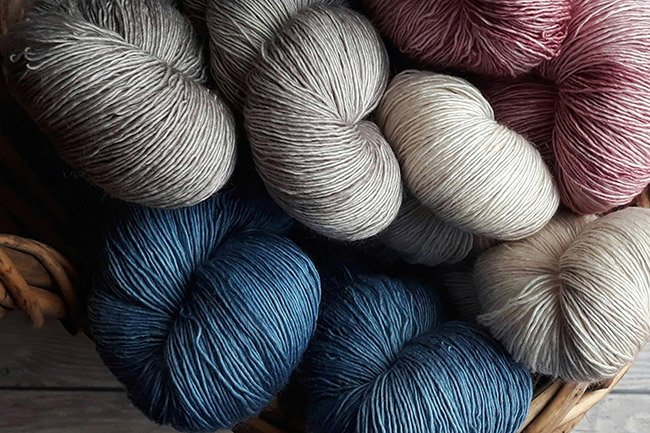
Cotton is another popular yarn for crochet, prized for its softness and its versatility. Derived from the natural fibers of the cotton plant, this material is ideal for a wide variety of projects. Its breathability makes it an excellent choice for summer clothing, while its durability is perfect for household items like rugs and towels. Furthermore, cotton dyes easily, offering a vast array of vibrant colors for your creations.
Advantages of Cotton
• Softness and comfort
Cotton is naturally soft to the touch, making it very comfortable to wear. This softness is ideal for clothing and accessories worn directly against the skin, as it prevents irritation and itching. Cotton items are therefore perfect for people with sensitive skin or for babies.
• Absorption and breathability
Cotton is highly absorbent and breathable, making it perfect for summer clothing and accessories. It effectively wicks away moisture, keeping you dry and comfortable even in warm weather. Cotton's breathability also helps regulate body temperature, providing a feeling of freshness.
• Durability and resistance
Cotton is a strong and durable fiber that can withstand frequent washing without deteriorating. It is less likely to tear or wear out compared to other materials. This durability makes cotton a practical choice for household items and clothing that require regular care.
Disadvantages of Cotton
• Low elasticity
Unlike wool, cotton has very little elasticity. This means it doesn't stretch much and doesn't easily return to its original shape. This characteristic can make cotton less suitable for items requiring flexibility and a good fit, such as fitted clothing or stretchy accessories.
• Sensitivity to creases
Cotton tends to wrinkle easily, which may require regular ironing to maintain a crisp appearance. This susceptibility to creases can be a drawback for clothing and decorative items that need to remain pristine. Furthermore, creases can sometimes alter the texture and overall look of cotton projects.
Recommended projects with cotton
• Summer clothing (tops, shawls)
Cotton is particularly well-suited for summer clothing such as tops, shawls, and lightweight blankets. Its softness, absorbency, and breathability make it an ideal choice for warm-weather garments. Cotton clothing is comfortable and cool, while also offering a relaxed and stylish look.
• Household items (dishcloths, towels)
Cotton is also perfect for household items like dishcloths, towels, and coasters. Its durability and absorbency make it practical and functional for everyday use. Cotton items are easy to wash and care for, which is essential for frequently used household items.
By using cotton for your crochet projects, you can take advantage of its many benefits while being mindful of its few drawbacks. Whether you're creating comfortable summer clothes or practical items for the home, cotton is a reliable and versatile choice that will allow you to produce quality pieces.
Acrylic
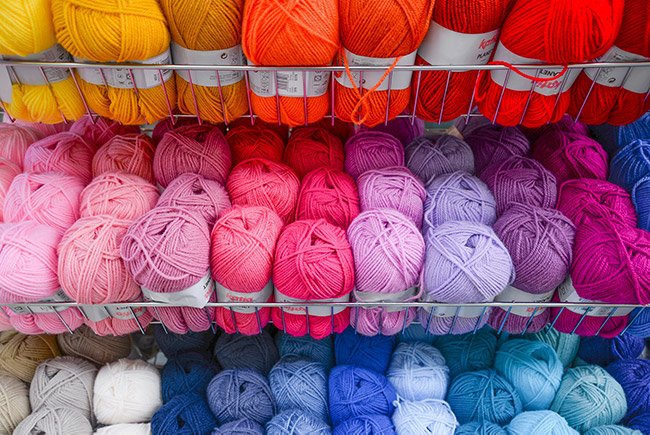
Acrylic is a synthetic yarn that is very popular in the world of crochet, known for its affordable cost and great versatility. Made from synthetic fibers, this material is valued for many projects due to its distinctive characteristics.
Advantages of Acrylic
• Affordable cost
One of the main advantages of acrylic yarn is its generally lower price compared to natural fibers. This makes it an economical option for crocheters who want to undertake large projects or who are just starting out. The affordable cost allows you to embark on creative projects without worrying about spending a fortune.
• Wide variety of colors
Acrylic yarn is available in a wide range of colors, from soft pastels to bright, saturated hues. This variety makes it easy to find the perfect yarn to match your project and personal preferences. Acrylic yarn is often uniformly dyed, resulting in vibrant and long-lasting colors.
• Easy to maintain
Acrylic is easy to care for compared to natural fibers. It can generally be machine washed in warm water and tumble dried on low heat without shrinking or losing its shape. This ease of care makes it a practical choice for items that will be washed frequently, such as children's clothing or blankets.
Disadvantages of Acrylic
• Less breathable than natural fibers
Acrylic is less breathable than natural fibers such as wool and cotton. This can make it less comfortable to wear in hot climates or during periods of intense activity, as it may not allow for adequate ventilation. This characteristic can sometimes lead to a feeling of excessive heat or trapped moisture.
• Pilling potential
Another drawback of acrylic is its tendency to pill, especially after several washes. The fibers can come loose and clump together in small balls, which can affect the appearance and texture of the project. To avoid this problem, it's advisable to choose a good quality acrylic yarn and follow the appropriate care instructions.
Recommended projects using acrylics
• Children's clothing
Acrylic is an excellent choice for children's clothing, such as sweaters, hats, and scarves. Its durability, affordability, and ease of care make it a practical choice for items that are frequently worn and washed. Furthermore, the wide variety of colors allows for the creation of attractive and fun clothing for young children.
• Plush toys and amigurumi
Acrylic yarn is an excellent choice for making amigurumi and crocheted plushies. Soft, lightweight, and available in a wide range of colors, it allows you to create expressive and unique characters. Its durability and ease of care make it an ideal option for creations intended for children or collectors.
Bamboo
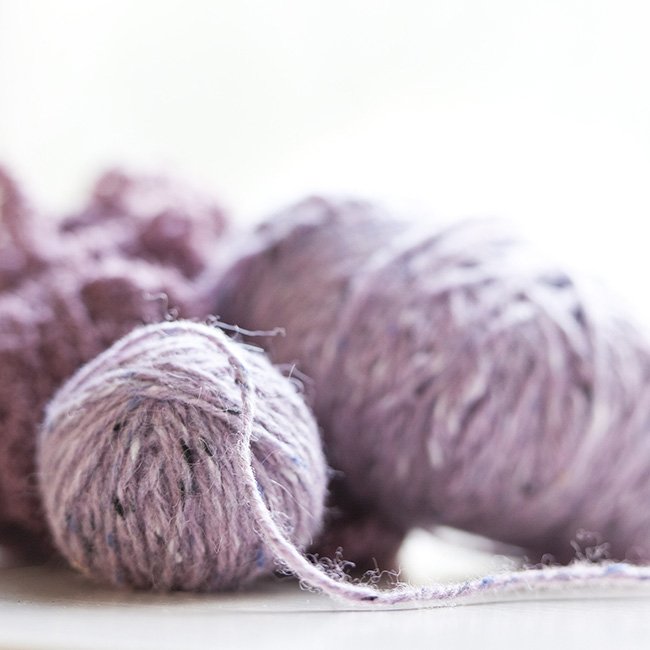
Bamboo yarn is a choice unique and eco-friendly for crochet enthusiasts. Made from a renewable resource, it combines exceptional comfort and softness. Thanks to its silky, lightweight texture, it's ideal for delicate projects like summer clothing or accessories. Furthermore, its properties natural antibacterial properties and its high absorption capacity make it a perfect yarn for items intended to be worn directly against the skin.
Advantages of Bamboo
• Ecological and renewable
One of the main advantages of bamboo yarn is its eco-friendly origin. Bamboo is a fast-growing and renewable plant, making it a sustainable alternative to synthetic fibers or less renewable natural fibers. Choosing bamboo yarn allows you to contribute to more responsible and environmentally friendly consumption.
• Soft and silky
Bamboo yarn is distinguished by its softness and silky feel. It offers a luxurious and pleasant texture, making it particularly comfortable to wear and work with. The softness of bamboo makes it an excellent choice for items that will come into direct contact with the skin, such as clothing or accessories.
• Antibacterial properties
Bamboo has natural antibacterial properties that help prevent odors and keep items fresher for longer. This makes it ideal for clothes and accessories you want to keep clean and fresh, even after multiple uses. These antibacterial properties also add a practical dimension to the comfort of bamboo.
Disadvantages of Bamboo
• Higher cost
One of the major drawbacks of bamboo yarn is its higher cost compared to other types of yarn. The production process for bamboo yarn can be more expensive, which is often reflected in the price of the final product. If you're on a tight budget, this might be a factor to consider before choosing this type of yarn.
• Less structure
Bamboo yarn tends to be less structured than other fibers, such as cotton or wool. This can make projects made with bamboo less rigid and more fluid. For creations requiring a more defined structure, such as garments with precise cuts or structured accessories, bamboo may not offer the desired support.
Recommended projects using bamboo
• Lightweight clothing
Bamboo yarn is particularly well-suited to lightweight, airy garments. Its softness and breathability make it perfect for summer tops, light shawls, or delicate cardigans. Bamboo's antibacterial properties and silky feel add extra comfort to pieces you'll want to wear often.
• Delicate accessories
Delicate accessories, such as fine scarves or small bags, greatly benefit from the soft and luxurious texture of bamboo yarn. Its fluidity and silky appearance add a touch of sophistication and refinement to the accessories you wish to create.
By incorporating bamboo yarn into your crochet projects, you benefit from an eco-friendly and luxurious choice while taking its unique characteristics into account. Whether you're creating lightweight garments for warmer seasons or refined accessories, bamboo offers a delicate and sustainable option for your crochet creations.
Choosing the right yarn for your crochet projects is crucial to ensuring not only the quality of your creations but also their functionality and durability. Whether you opt for the warmth of the wool, the gentleness of cotton, the versatility of acrylic, the luxury of bamboo or the creativity of mixtures of threads, Each type offers unique advantages suited to different projects.
By understanding the characteristics of each yarn, you can make informed choices that will transform your ideas into beautiful, well-designed pieces. Don't hesitate to experiment with different types of yarn to discover which ones best suit your needs and style. Happy crocheting!
Discover our other articles on crochet:
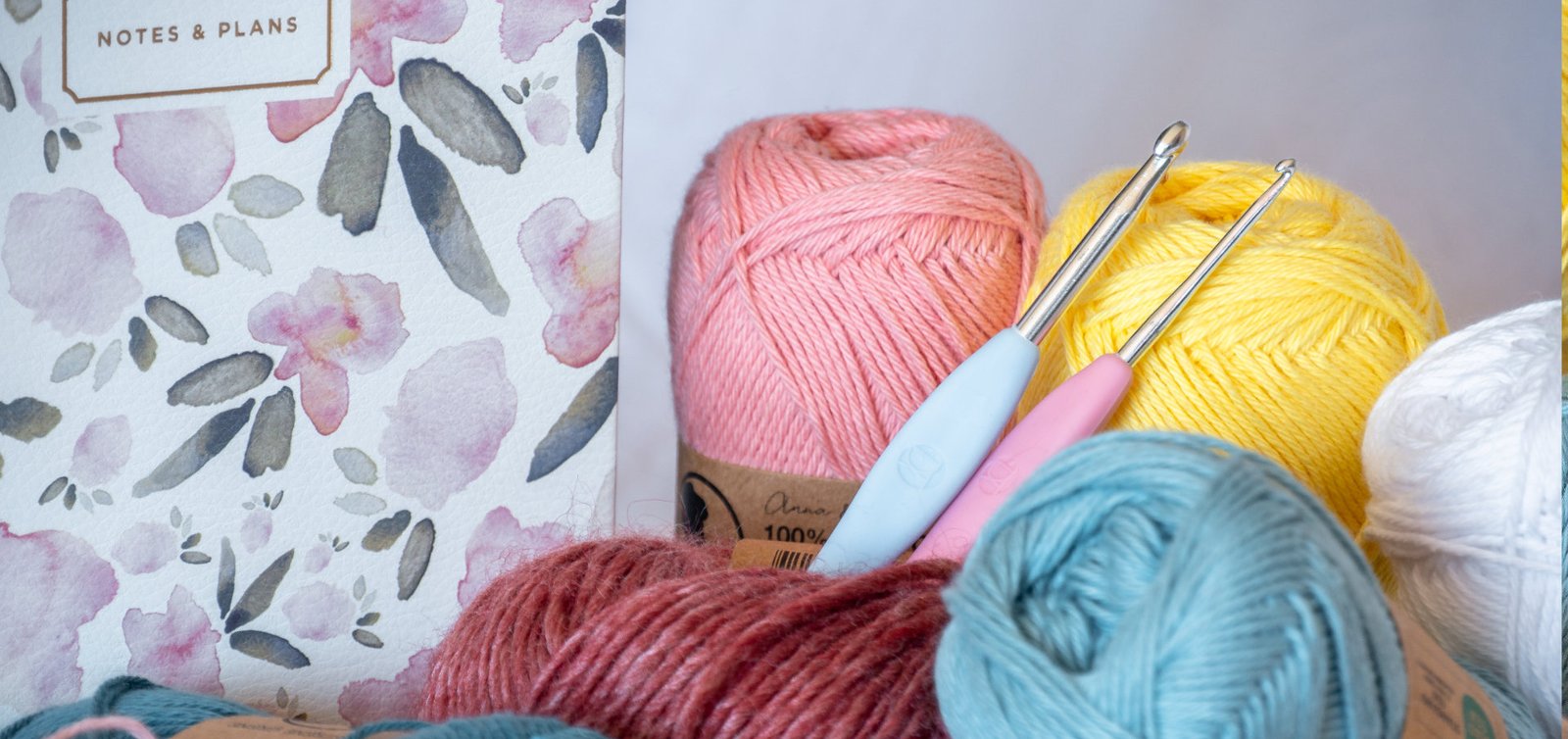
Selling your crocheted plush toys: everything you need to know about the CE standards to comply with
Want to sell your crocheted plushies, but the terms "CE marking" and "toy directive" make you want to close the tab? I'll explain everything you really need to know: what CE marking actually means, how to tell if your creations are affected, and more…
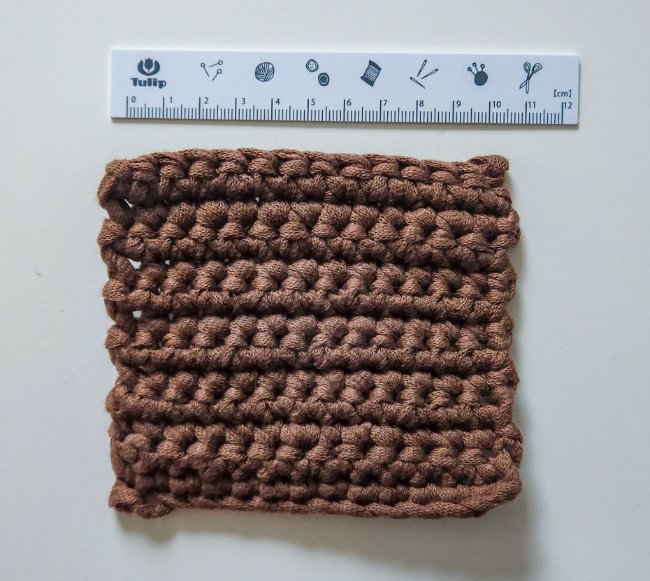
Crochet Gauge: Why and How to Make Them?
Crochet swatches, often overlooked, are essential for the success of your creations. Learn how to make them easily and adjust your tension for perfect results.
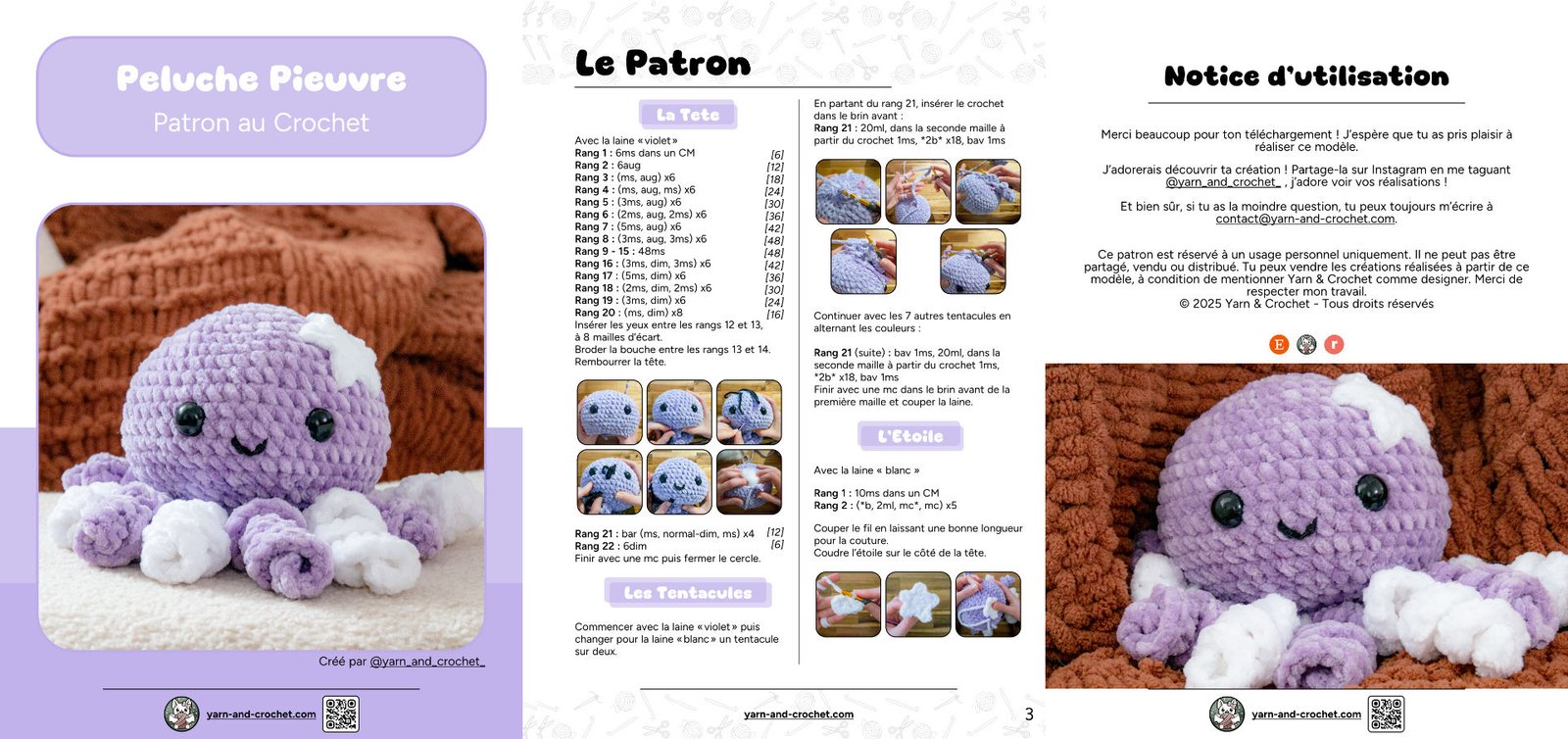
How to Read a Crochet Pattern: A Beginner's Guide
Getting started with crochet involves knowing how to read a pattern. Discover how to easily decode abbreviations, choose your materials, and follow the detailed steps of an illustrated pattern.