Complete Guide: Washing and Caring for Your Crochet Projects
Wool, natural fiber prized for its warmth and softness, requires specific care to preserve its qualities and prolong the life of knitted or crocheted garments.
Improper washing can lead to shrinkage, deformation or felting of the fabric, thus altering its shape and elasticity. Furthermore, the use of harsh detergents or inadequate drying can make the wool rough, reducing the comfort of the garment.
Proper care not only maintains the aesthetics and functionality of woolen items, but also maximizes the investment they represent, while reducing the environmental impact associated with their premature replacement.
Understanding wool and its specific characteristics
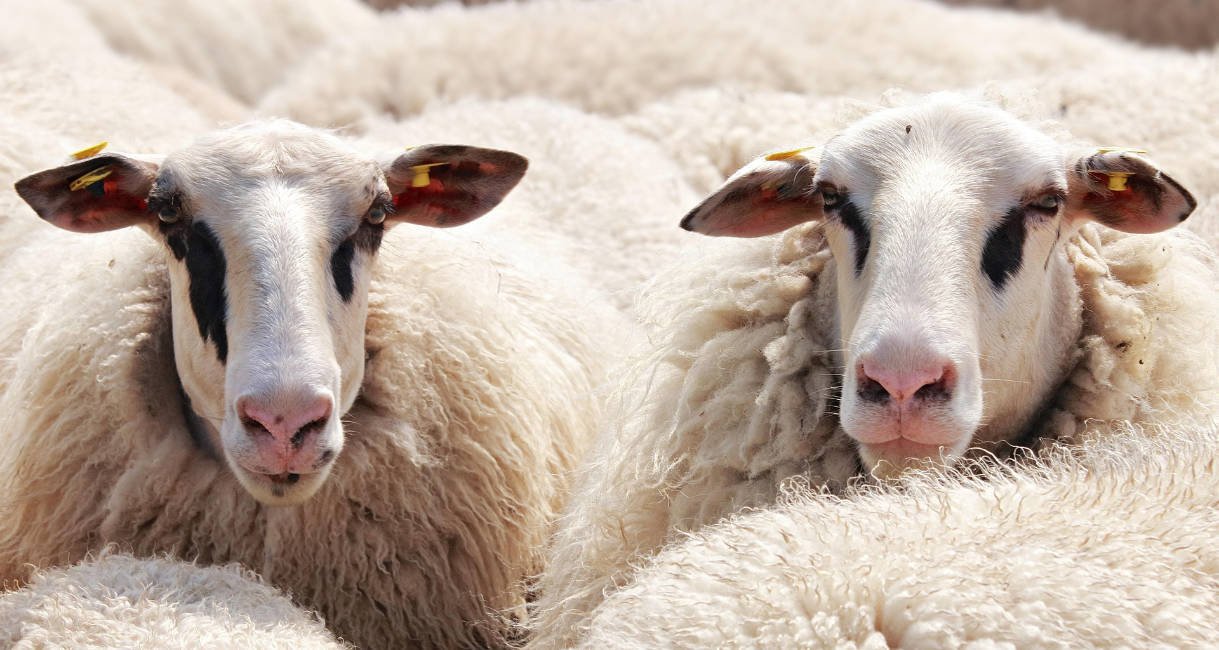
Wool is a natural fiber obtained primarily from the fleece of sheep, but also from other animals such as goats (cashmere), Angora rabbits, and alpacas. It is renowned for its insulating properties, its softness and resilience.
The structure of wool fiber is complex, composed of three main layers: the epicuticle, the cortex and the medulla. The epicuticle, the outermost layer, is made up of overlapping scales that give wool its ability to felt under the influence of heat, moisture, and friction. This characteristic makes wool particularly sensitive to improper handling during washing and drying.
Furthermore, wool is highly hygroscopic, Wool easily absorbs moisture from the environment, which can affect its shape and texture if not properly cared for. These characteristics explain why wool requires special care to preserve its inherent qualities and ensure the longevity of garments made from this material.
Read and interpret care labels
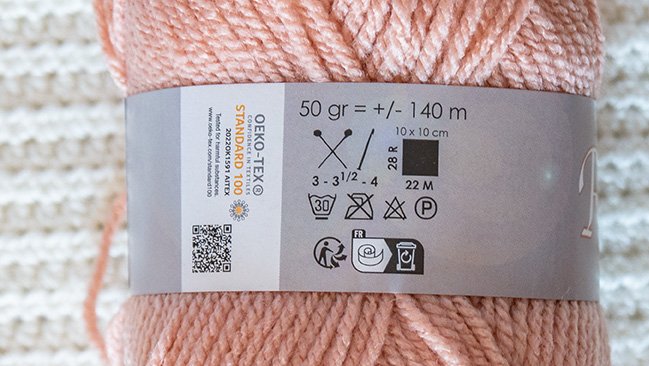
The care labels on wool garments or balls of yarn provide valuable instructions for their proper care. Understanding the commonly used symbols is essential to avoid care mistakes. Some of the most frequent symbols include:
• Washing symbol: represented by a tub filled with water, it indicates whether the garment can be machine washed or hand washed, as well as the maximum recommended temperature.
• Bleaching symbol: a triangle, which indicates whether the use of bleaching products is permitted.
• Drying symbol: a square with a circle inside, specifying whether machine drying is possible and at what temperature.
• Ironing symbol: an image of an iron, indicating the appropriate temperature for ironing.
• Professional cleaning symbol: a circle, suggesting whether dry cleaning is recommended.
It is important to follow these instructions carefully to maintain the appearance and quality of wool garments.
Preparing the item before washing
Before washing your wool clothes, it is essential to inspect them thoroughly to detect any potential stains or damage. Specific stains should be treated before washing to prevent them from setting further into the fibers. It is also important to separate garments by color to prevent color bleeding (especially before the first wash), and to sort them by wool type, as some varieties may require special care. This preparation ensures that each garment receives the appropriate care and preserves its quality.
Washing methods for woolen garments
Hand wash
Hand washing is often recommended for delicate wool items. Here are the steps to follow:
1. Fill a basin with cold or lukewarm water (maximum 30°C).
2. Add a special wool laundry detergent or a mild shampoo, making sure to dissolve it completely.
3. Immerse the garment and squeeze it gently To allow the cleaning solution to penetrate, avoid rubbing or twisting the fabric, as this could damage it.
4. Let it soak for a few minutes, then rinse thoroughly with clean water until all the detergent is removed.
5. Remove excess water by gently pressing the garment without twisting it.
Machine wash
If the care label allows it, machine washing can be considered, taking certain precautions:
1. Use the cycle « wool » or « delicate » of your machine, which offers a gentler movement and limits the spin cycle.
2. Select a low temperature, Ideally at 30°C or less, to avoid shrinkage and felting of the fibers.
3. Place the garment in a mesh laundry bag to protect it from excessive friction.
4. Choose a laundry detergent suitable for woolen textiles, without aggressive agents.
5. Avoid using fabric softeners, which can weigh down the fibers and affect their natural texture.
Drying woolen clothes
Drying wool garments requires special attention to preserve their shape and texture. It is strongly it is not recommended to use a tumble dryer for these items, because heat and agitation can cause significant fiber shrinkage.
For optimal drying, it is recommended to dry flat. After gently squeezing out excess water without twisting the garment, place it on a flat surface, ideally on a clean, dry towel, restoring it to its original shape.
Avoid exposing it directly to sunlight or an intense heat source, which could alter the color and quality of the wool.
To speed up the drying process without damaging the fibers, you can replace the damp towel with a dry one once it has absorbed some of the moisture. Also, be sure to turn the garment over halfway through drying for even evaporation.
Ironing and steaming the crocheted item
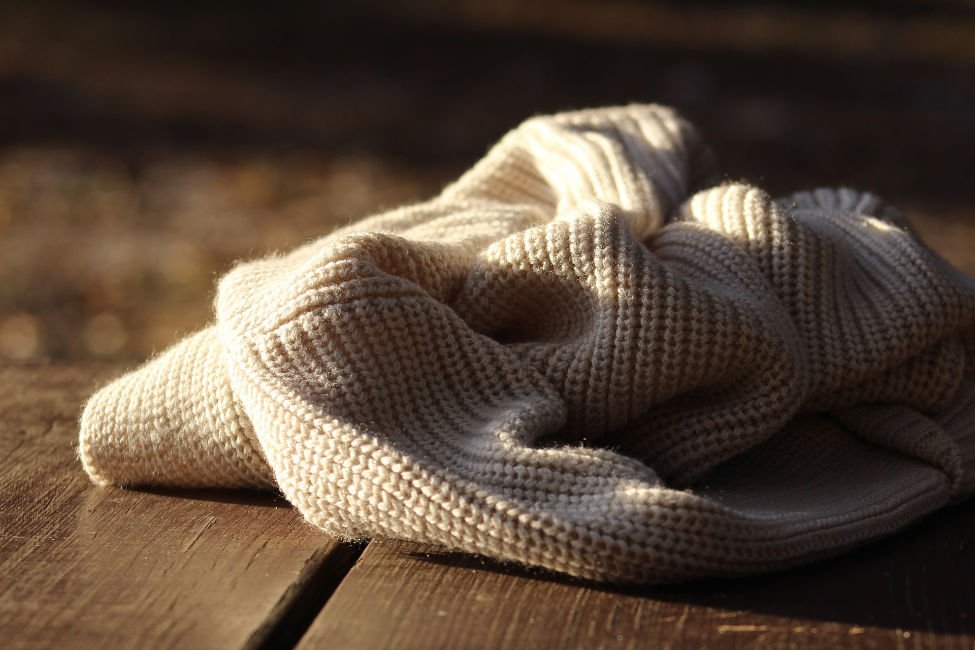
Wool is a delicate fiber fabric who requires care when ironing to avoid damage. If ironing is necessary, set your iron to a low temperature or use the specific "wool" setting if available.
It is advisable to iron the garment inside out to minimize the risk of shine or marks. The use of a pattemouille, That is, a damp cloth placed between the iron and the garment can also protect the fibers.
Steamingis a gentle alternative for removing wrinkles without direct contact with the fabric. A manual steamer or hanging the garment in a steamy bathroom can help relax the fibers and refresh the garment without the risk of burning.
Storage and preservation
Proper storage is essential to maintain quality and longevity of your woolen clothes. Before putting them away, make sure they are perfectly clean, as stains and odors can attract moths.
Fold sweaters and other heavy items to prevent them from losing their shape on a hanger. To protect them from pests, the best option is to use natural solutions such as sachets of lavender, cedar wood or bay leaves in your storage spaces. Avoid mothballs, as they contain potentially harmful chemicals and give off a strong odor.
Also ensure that the storage location is cool, dry and away from direct sunlight to prevent any deterioration of the fiber.

FAQ: Answers to frequently asked questions about washing and caring for crocheted or knitted projects
Taking care of your wool garments is essential to preserving their appearance and prolonging their lifespan. Here are the answers to frequently asked questions about washing, drying, and general wool care.
How often should I wash my wool clothes?
Wool has natural properties that allow it to resist odors and moisture. Therefore, it's not necessary to wash your wool clothes after every wear. Generally, washing them every 3 to 5 few days is sufficient, except in the case of visible stains.
Can I machine wash my wool clothes?
Yes, but with caution. Use the « wool » or « delicate » of your washing machine, which is designed to treat delicate fibers. Also, be sure to use a detergent specifically formulated for wool, without enzymes, to preserve the fiber.".
What is the ideal temperature for washing wool?
Wash your wool clothes in cold or lukewarm water, ideally between 15°C and 30°C. Higher temperatures can cause felting and shrinkage of the fibers.
How do I dry my wool clothes after washing?
Avoid using the tumble dryer, as the heat can damage the fibers and cause the narrowing. After washing, gently press out the excess water by rolling the garment in a clean towel. Then, dry it flat on a clean, dry surface, gently reshaping it into its original form.
Can I iron my woolen clothes?
Yes, but with caution. Use an iron at low temperature and place a cloth between the iron and the garment to avoid burning the wool. Using steam can also help remove wrinkles without damaging the fabric.
How to prevent wool from felting?
Felting usually occurs due to exposure to heat, friction, or washing at high temperatures. To prevent this, wash your wool garments at cold or lukewarm water, Use a suitable detergent and avoid machine drying.
How should I store my woolen clothes to avoid damage?
Fold your wool clothes and store them in breathable fabric bags. Avoid plastic bags, which prevent the fibers from breathing. Place natural repellents, such as lavender or cedar, to repel moths.
What should I do if my wool garment is felted or shrunk?
It's difficult to completely restore a felted or shrunken wool garment. However, you can try to soften it by soaking it in a solution of warm water and white vinegar, then gently stretching it. This method may help to soften the fibers, but the results vary.
Can I use fabric softener on my wool clothes?
It is not recommended to use fabric softeners, as they can alter the natural properties of wool and reduce its effectiveness to regulate temperature and humidity.
How do I remove pilling from my wool clothes?
Used a lint remover or a special wool brush to gently remove lint without damaging the fibers. Avoid pulling on the lint, as this can cause distortion.
Taking care of your knitted or crocheted garments is essential to preserving their quality and extending their lifespan. By adopting proper care practices, you'll maintain the softness, shape, and appearance of your woolen pieces, while preventing damage such as felting or distortion. By following the detailed advice in this article, you can fully enjoy your handmade garments season after season.
Discover our other articles on crochet:
Selling your crocheted plush toys: everything you need to know about the CE standards to comply with
Want to sell your crocheted plushies, but the terms "CE marking" and "toy directive" make you want to close the tab? I'll explain everything you really need to know: what CE marking actually means, how to tell if your creations are affected, and more…
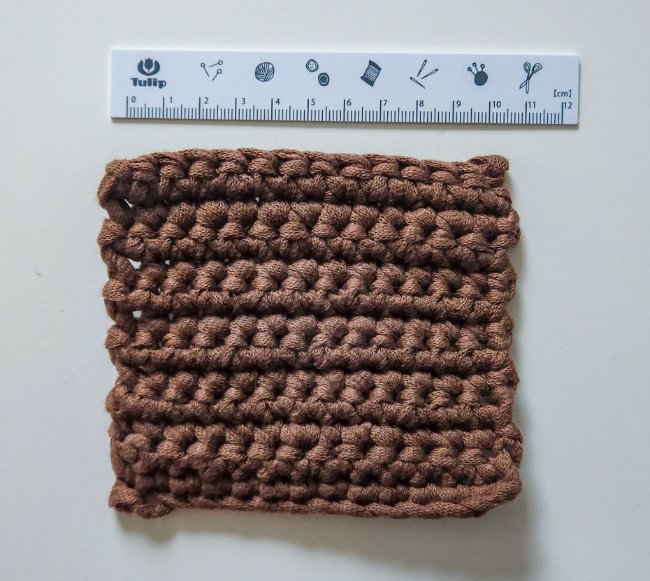
Crochet Gauge: Why and How to Make Them?
Crochet swatches, often overlooked, are essential for the success of your creations. Learn how to make them easily and adjust your tension for perfect results.
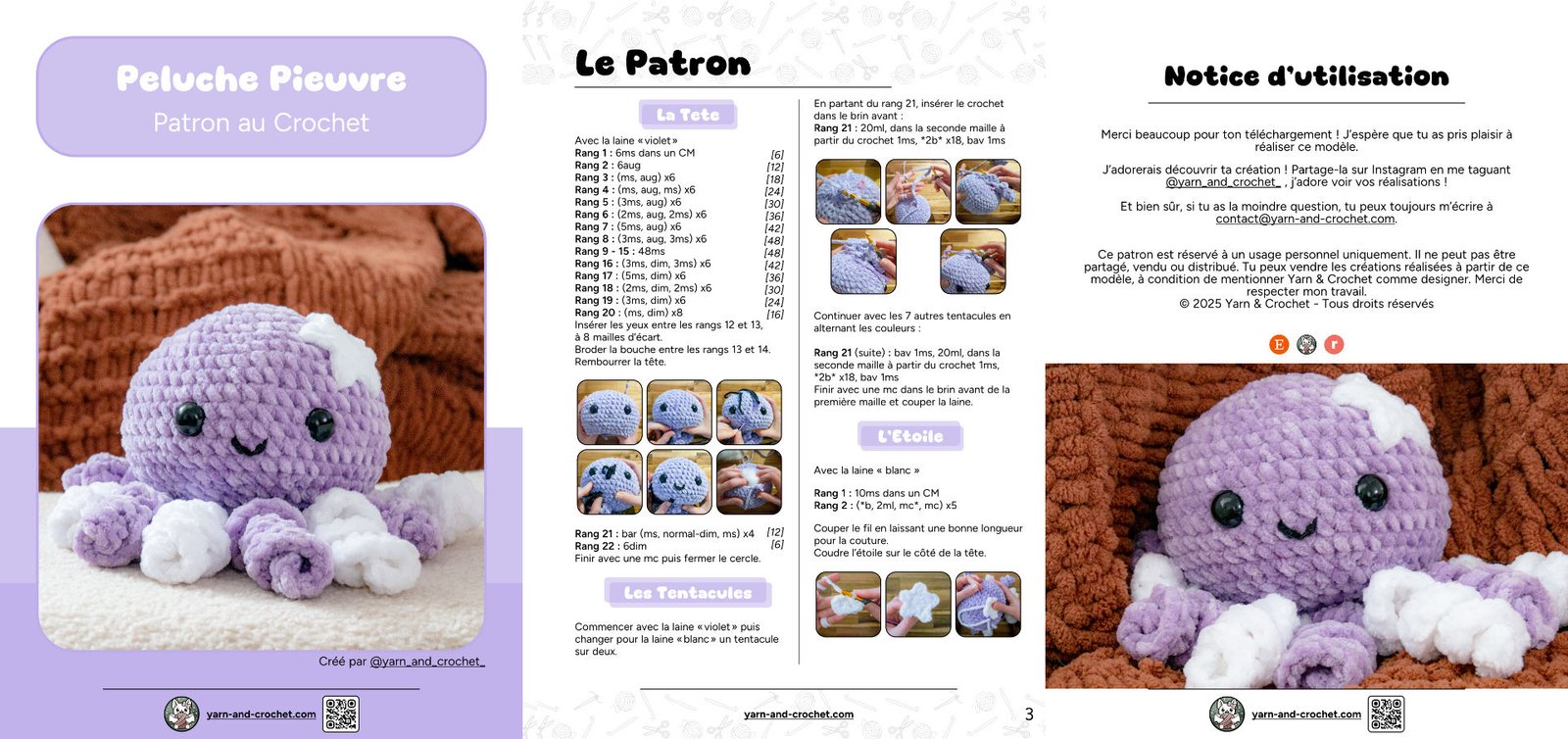
How to Read a Crochet Pattern: A Beginner's Guide
Getting started with crochet involves knowing how to read a pattern. Discover how to easily decode abbreviations, choose your materials, and follow the detailed steps of an illustrated pattern.